Closures and shows not on
These come straight from Disney's own published lists: the official Tokyo Disneyland closure list and the official Tokyo DisneySea closure list. The lists run to 30 April 2027. A few venues sit on those lists with no reopening date (Swiss Family Treehouse and Cinderella's Fairy Tale Hall at Disneyland, Mermaid Lagoon Theater at DisneySea): your headline summary names them once, rather than repeating them on every card. Closure dates can change, and rides also stop without notice on the day, so treat your cards as the plan, not a guarantee.
Park hours
Disney publishes park hours in blocks, well ahead, and in the data we checked most days run 9:00 a.m. to 9:00 p.m. at both parks, with a few early closes at 6:30 p.m. (DisneySea on 27 November 2026 and 22 January 2027, Disneyland on 4 December 2026, in the data checked). Hours in our checked data run to 10 February 2027; beyond that, your card says the hours were not published yet rather than guessing. Always confirm your exact day on Disney's official calendar before you rely on it, because hours do change.
Show times
Disney publishes entertainment times only about a month ahead, so your cards do not invent times. What they do list is the other half of the picture, which Disney publishes much earlier: the days a show or parade is suspended, from the same official lists. When your trip is close, the official app and the daily calendar carry the actual times.
The busy-day signal
Here is the plain version first. We cannot count crowds, and nobody can: Disney does not publish how many people will be in the park on your day. What we can count is everything around the day that pushes crowds up or pulls them down: the Japanese calendar, the school year, and the price Disney itself puts on the day. That is all the signal is, and the detail below is here so you can check our working.
The signal is read off the Japanese calendar, and the reasons are printed on every card so you can judge it yourself. A Saturday is busy. A national holiday is busier, above all when it joins a weekend into a run of three or more days off, and the great travel weeks (Golden Week at the end of April and start of May, Obon in mid August, and the school breaks in spring, summer and around New Year) push the parks harder still. On top of that we count the days a holiday-only calendar misses: prefectural citizens' days when local schools close (Chiba's, on 15 June, is the big one here, because Chiba is the parks' home prefecture, and Tokyo's falls on 1 October), school trip season on weekdays, university spring break and graduation trips with student discount passes on sale, and the Lunar New Year week. And we count the lulls: entrance exam season in January and February, the rainy season in June and July, and the quiet pockets just after a school break ends. For dates Disney has already put on sale, we also count the day's own 1-day ticket price, because Disney sets that price by how busy it expects the day to be: a top-price day counts towards busier, and the cheapest days count towards quieter. Those prices come from Disney's official price calendar and run to 1 March 2027; later dates have no published price yet, so no price is counted for them. Sakura season and the autumn leaves fill Tokyo with visitors, so those weeks are named on the cards too. The holiday, school and ticket-price calendars behind the signal are worked out for 2026 and 2027, so the tool covers January 2026 to December 2027: ask for dates outside that range and it says it has no checked answer, rather than inventing one. What the signal is not is a crowd forecast: it cannot know the weather (rain empties the parks, and a sunny day after a wet week fills them), ticket sales or what else is on in Tokyo that day. For a predicted crowd number per day, the crowd calendar at Yosocal is the one we point friends to; their numbers are their own work, so we link you there rather than copy them here.
Deciding what to do with a busy day
A busy day is not a ruined day, it is a day to spend differently. This is the shape of a busy day that still works:
- Headliners first. Be inside before opening and go straight to your one must-do ride, while its line is still short.
- Buy the headliner pass in your first minutes. If you are buying Premier Access at all, the headliner is where it earns most, and its best return times go early.
- Hold your lunch window early. Mobile-order lunch soon after you enter, or by about 10:30, so the noon rush is not your problem.
- Eat off peak. A sit-down meal before 11:30 or after 13:30 is a rest as well as a meal, and the seating is there.
- Put the middle of the day indoors. Shows and indoor attractions carry the crowded, hottest hours; save the outdoor rides for the edges of the day.
- If you have two days, swap. Move the must-do show, or the second headliner, to your quieter day rather than fighting the busy one for everything.
Our free Premier Access calculator adds up what that spend looks like for your party, and the booking timeline builder lines up the mornings when each part of the trip opens for booking.
Please note: closure, suspension and hours data follows official Tokyo Disney Resort pages. Park systems can change, so confirm the current position in the official app before you rely on a date. Happily Ever Tokyo is an independent planning service. It is not affiliated with, endorsed by, or connected to The Walt Disney Company, Tokyo Disney Resort, or Oriental Land Co., Ltd.











 Sparkling Drink (Blue Syrup / Amanatsu Orange / Whipped Topping)
 Sparkling Drink (Tea & Orange)
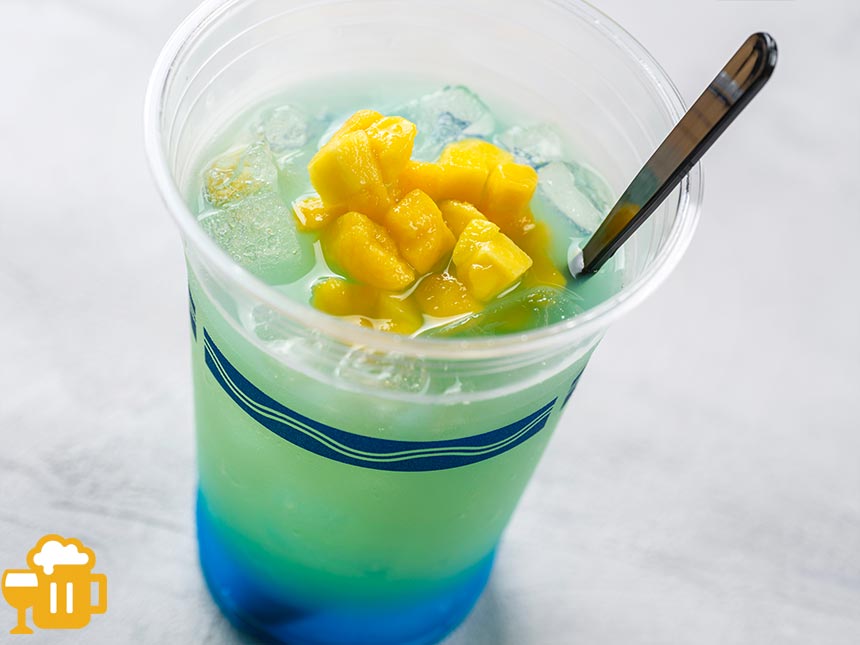 Casbah Food Court Specialty Cocktail (Jasmine Shochu & Grapefruit)
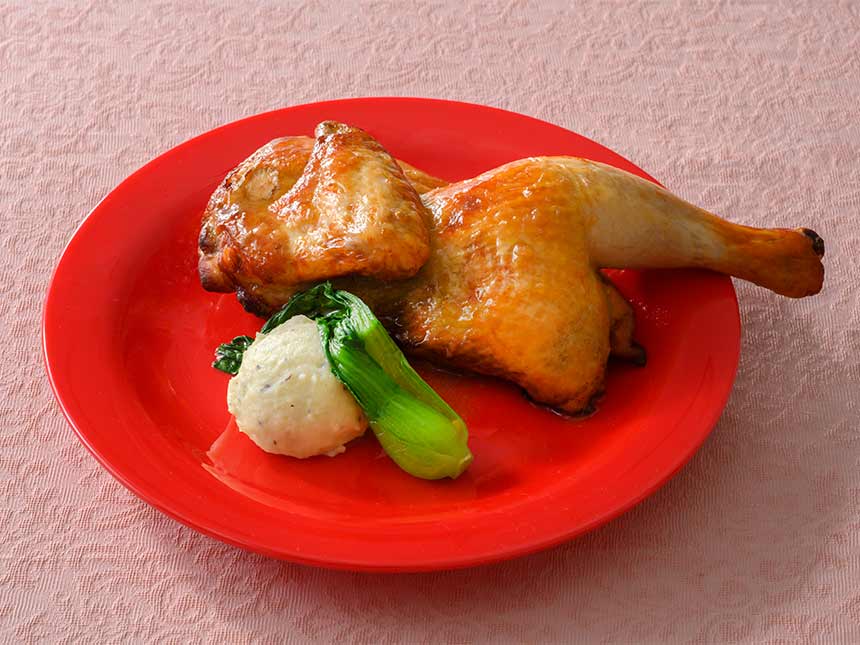 Roasted Chicken
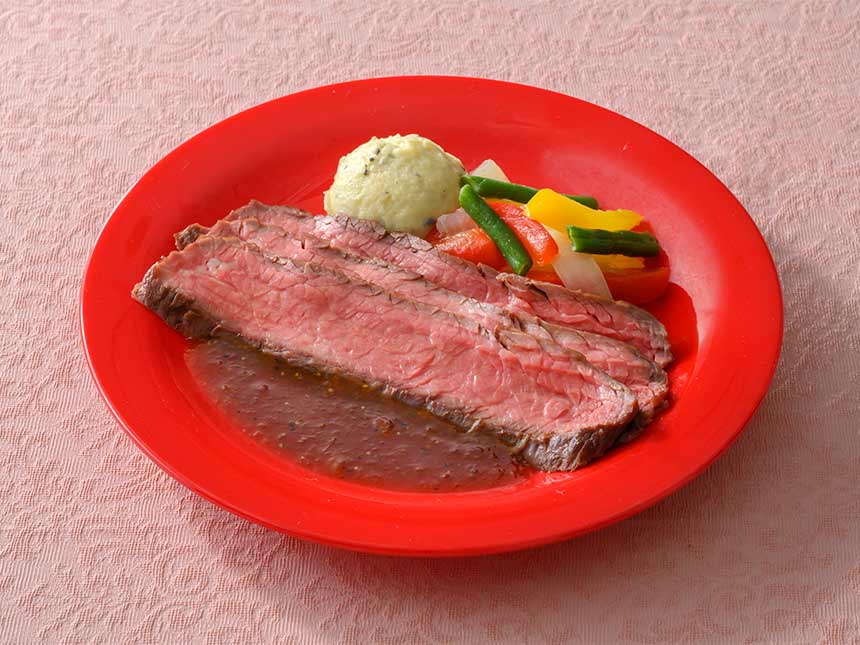 Flank Steak with Japanese Sauce
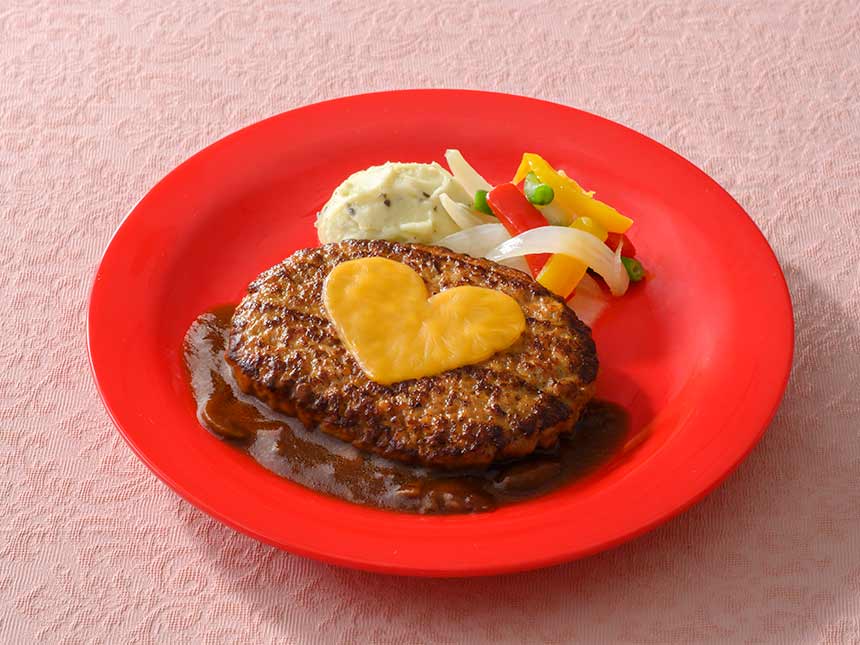 Meat Patty and Cheese with Demi-Glace Sauce
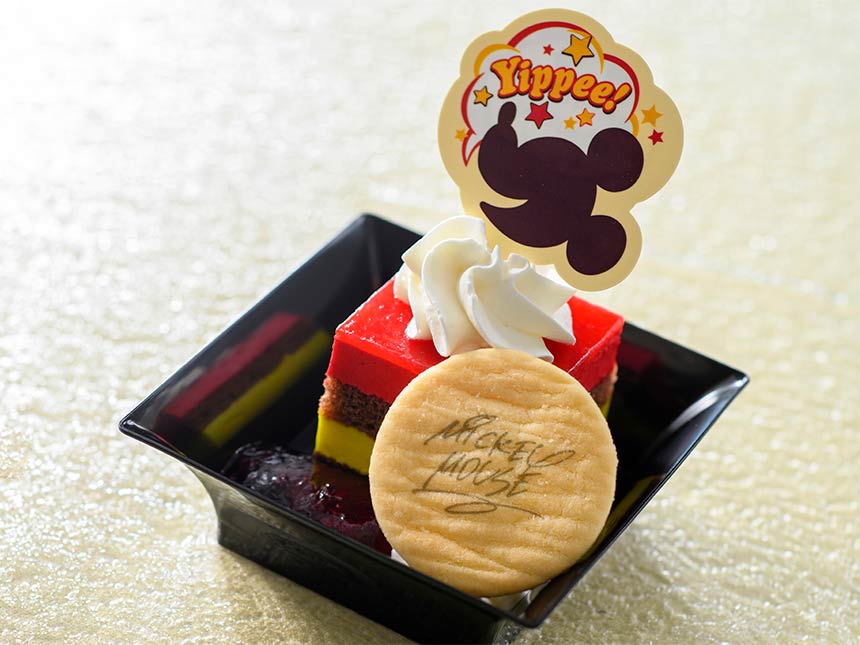 Raspberry & Lemon Mousse Cake
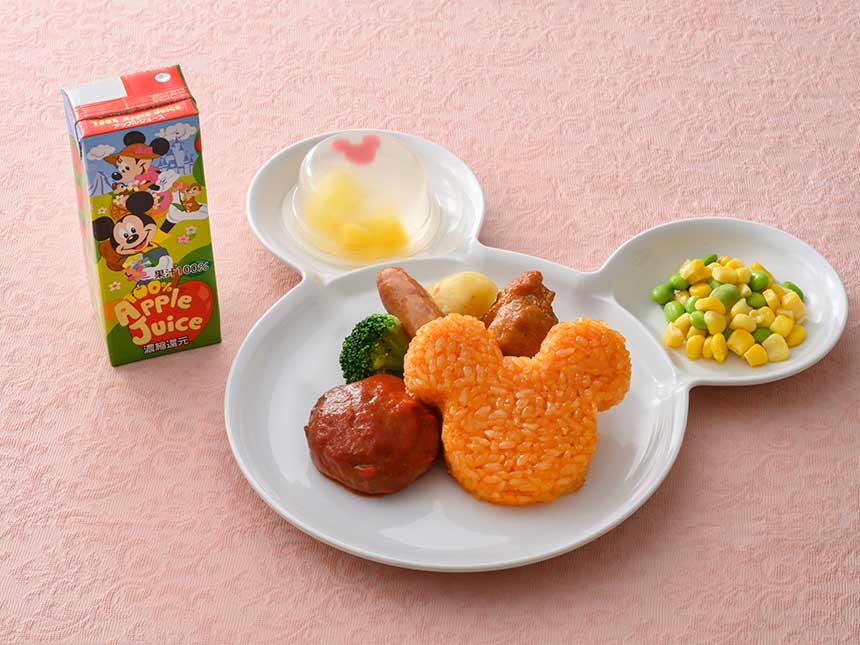 Child's Set (Special Dietary Menu)
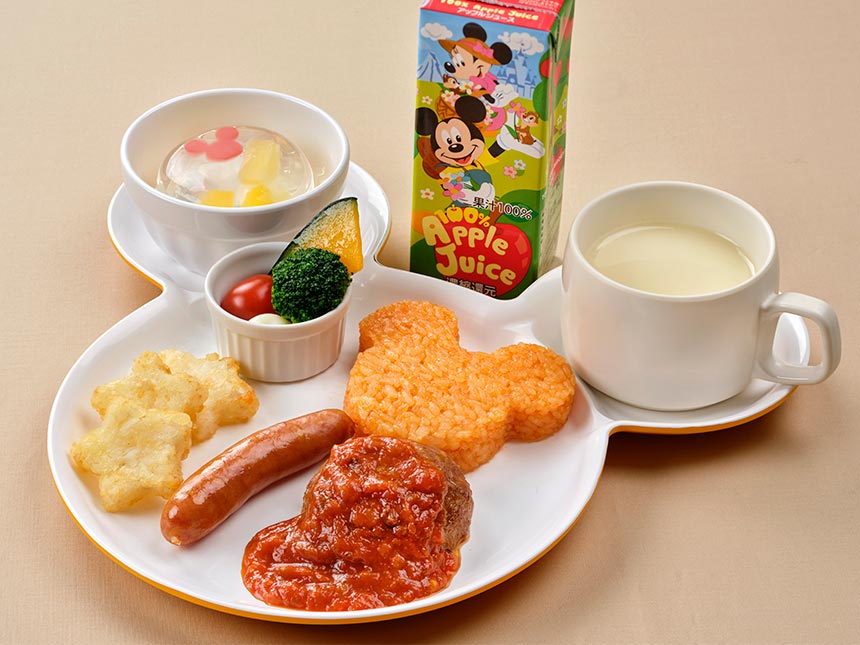 Special Dietary Menu